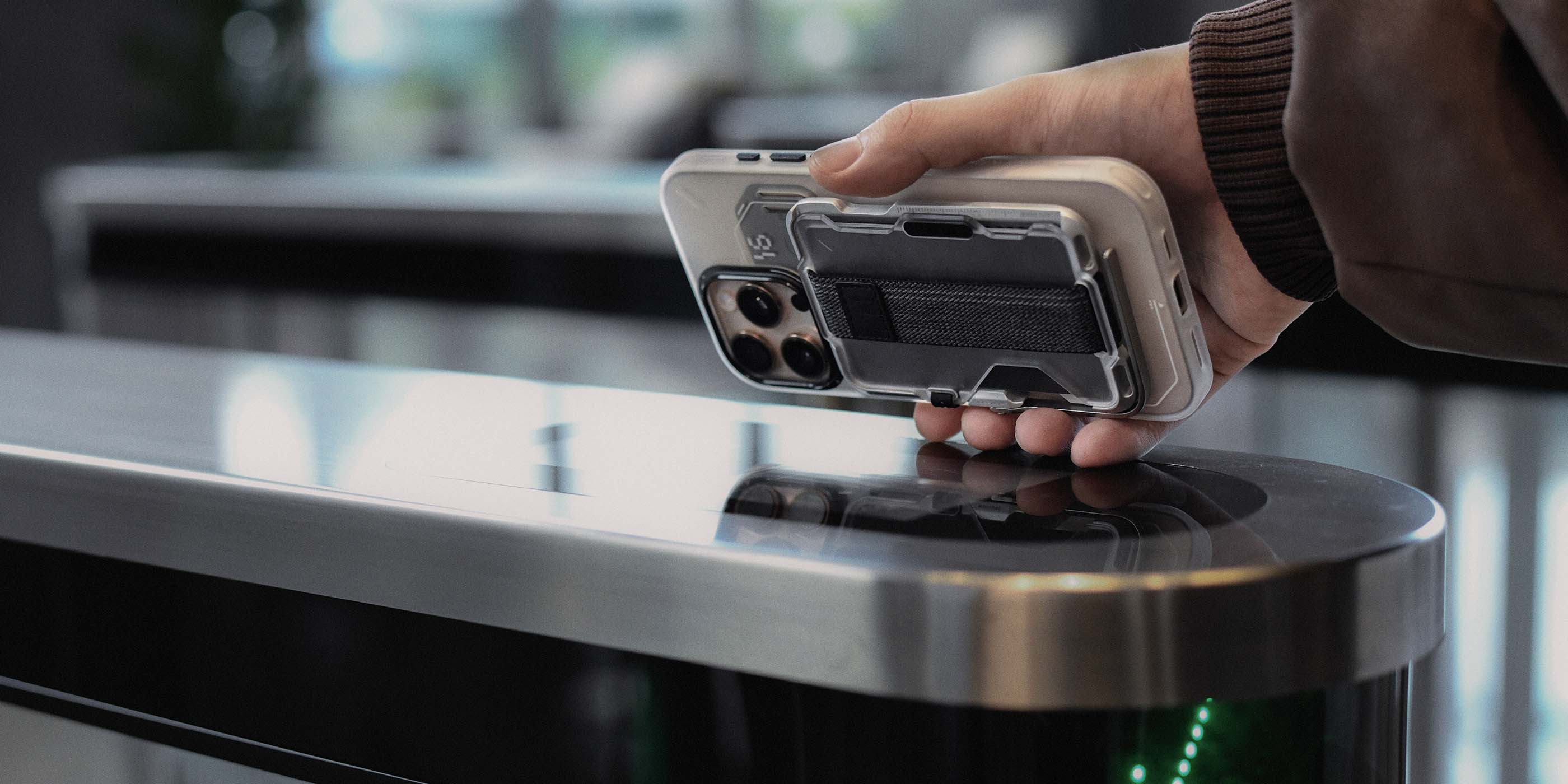



Have you ever picked up your phone only to find it too hot to hold ? You're not alone. Overheating is a widespread problem affecting millions of users, especially during critical moments such as playing intense mobile games , watching movies, or long office meetings . While a slight increase in temperature during heavy use is normal, persistent and extreme overheating is a clear warning sign from your device. In this guide, we'll delve into the potential dangers of overheating, analyze the most common causes, and provide practical solutions to help you safely cool your device.

Hidden danger
Hardware damage
Faced with unexpected temperature spikes, many users choose to ignore the overheating issue, hoping it will recover on its own. This is an extremely serious mistake, potentially causing irreversible hardware damage and a frustrating performance decline over time. Overheating-induced throttling is one of the most prominent causes, referring to the processor proactively reducing its operating speed to prevent catastrophic failures within the phone .
Battery performance decline
The hidden damage caused by extreme high temperatures primarily targets the delicate chemical reactions inside lithium-ion batteries. These modern batteries have a very precise optimal operating temperature range, typically between 0°C and 35°C. If a device is continuously operated at temperatures exceeding these safe ranges, the internal chemical reactions accelerate, causing significant damage. Battery health studies have shown that lithium-ion batteries frequently exposed to temperatures above 35°C can lose up to 20% of their capacity within a year. Prolonged exposure to high temperatures permanently reduces the battery's maximum capacity and overall lifespan. As battery performance gradually declines, you will eventually find yourself needing to charge your device more frequently.
Common causes of overheating
To effectively troubleshoot this heat dissipation issue, we must carefully break down the root cause into different, controllable categories. Modern smartphones generate heat from both the external environment and the numerous internal programs they run. Identifying the specific heat source allows for a faster, safer, and more accurate solution. We can use the table below to quickly determine the cause of our phone's overheating.
|
Factor types |
Common triggering factors and examples |
|
External environment |
Direct sunlight, parked vehicles, poor ventilation, and a heavy heat insulation shell. |
|
Internal equipment tasks |
High-load gaming, 4K video recording, background application refresh, GPS navigation |
External factors
Heavy phone case
One often overlooked factor is the bulky, non-breathable protective cases and thick plastic shells used in daily use. These thick silicone or plastic layers form a highly effective heat insulation layer, trapping the heat generated by the internal processor inside. When heat cannot dissipate through the back glass or aluminum frame, the internal temperature rises rapidly during daily use.
High temperature environment
External environmental factors often lead to devices being accidentally exposed to direct sunlight or hot, poorly ventilated car interiors. In a typical summer, with an air temperature of 29°C (85°F), the interior temperature of a parked car can soar to 49°C (120°F) in just 30 minutes. Poor ventilation around the device completely hinders natural passive cooling. Even placing the device in a sealed, insulated bag during a hot summer can cause a significant temperature increase, especially if the screen is accidentally turned on.
Internal factors
CPU-intensive tasks
Internal factors typically stem from CPU-intensive tasks that force the main processor and graphics chip to operate near full capacity. For example, activities such as continuously playing mobile games, recording high-resolution 4K video, or using real-time GPS navigation can generate significant overheating. Hardware diagnostic tests have shown that continuous 4K video recording can raise a smartphone's internal temperature by 10°F to 15°F (5°C to 8°C) in just 15 minutes. Furthermore, some background applications or sudden software update glitches can also silently overload the processor without your knowledge.
Poor signal
When driving in rural areas with poor cell phone signal, the built-in modem operates continuously at high load, constantly searching for a stable signal. This relentless antenna search consumes a significant amount of battery power and converts most of the electrical energy into unnecessary and harmful heat.
 Solutions for overheating mobile phones
When your phone's temperature suddenly spikes, you need to know how to safely and quickly prevent it from overheating. Taking immediate and effective measures can avoid permanent hardware damage and quickly restore the device to normal, smooth operation. And it's also important to take long-term measures to prevent your phone from overheating.
Even cooling steps
- The crucial first step is to immediately remove any currently used external protective cases or covers. This will immediately expose the device's raw surface, allowing accumulated heat to dissipate naturally into the surrounding air. Next, turn off Wi-Fi, Bluetooth, and location services, or simply switch to airplane mode to immediately stop all ongoing wireless antenna searches.
- You should also manually close all background applications and significantly reduce screen brightness to minimize immediate battery drain. Digital displays are among the biggest power consumers, and lowering their brightness can significantly reduce heat generation. If your device is currently connected to a power adapter or power bank, unplug it immediately.
- Do not use extreme, rapid physical cooling methods. Never place overheated equipment in a refrigerator, freezer, or directly in front of an air conditioner vent that has accumulated ice. Drastic temperature changes will immediately cause condensation inside the sealed casing. This trapped moisture can instantly short-circuit delicate electronic components and permanently damage the motherboard.
- The correct approach is to place the phone in a cool, well-ventilated area and allow it to cool slowly at room temperature. A gentle breeze from a regular household fan can safely accelerate this passive cooling process without causing moisture damage.
Long-term protection measures
Choose a breathable phone case.
To effectively control your phone's temperature, we strongly recommend upgrading to accessories that are breathable and have a simple design. These accessories provide physical protection while also focusing on active heat dissipation for your phone.
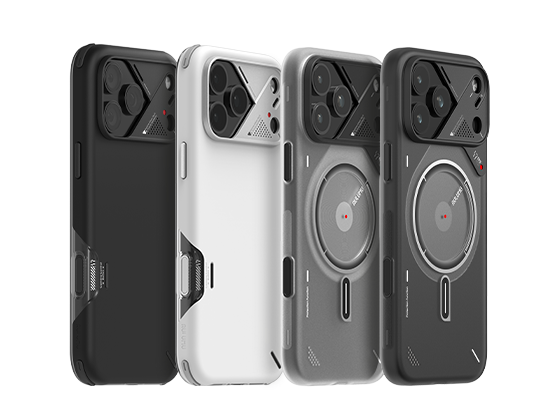
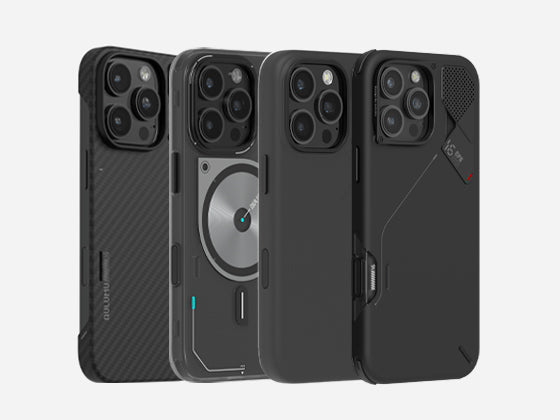
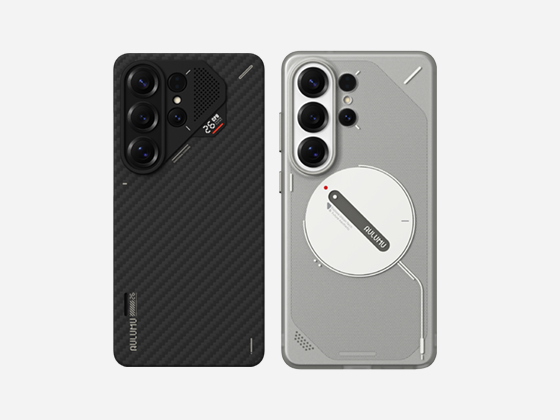
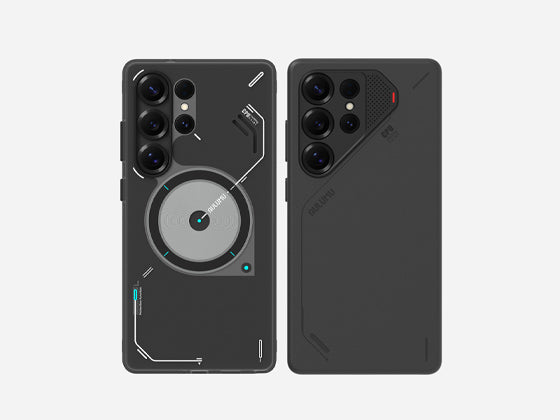
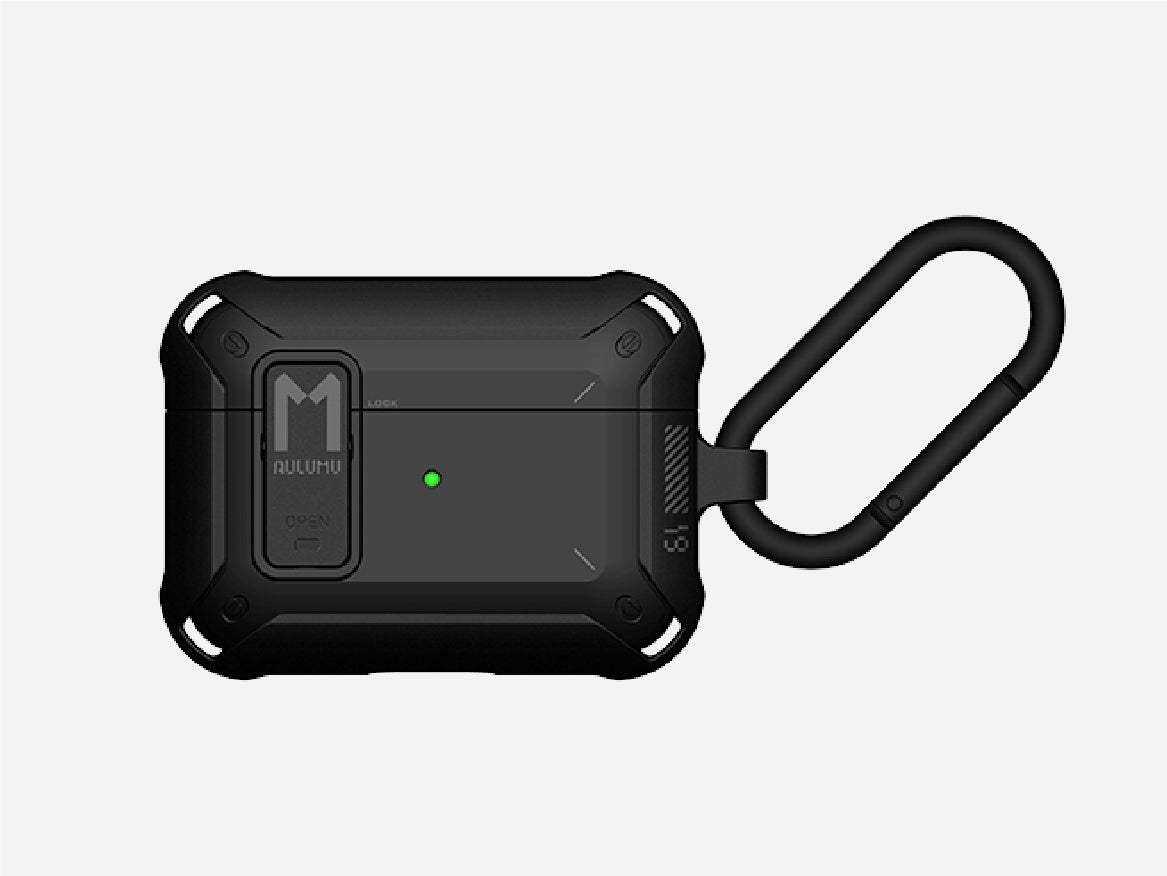
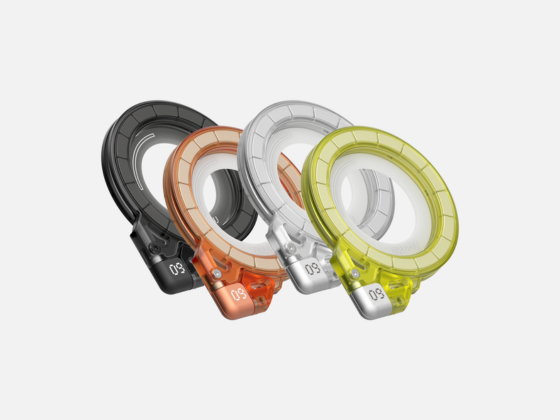
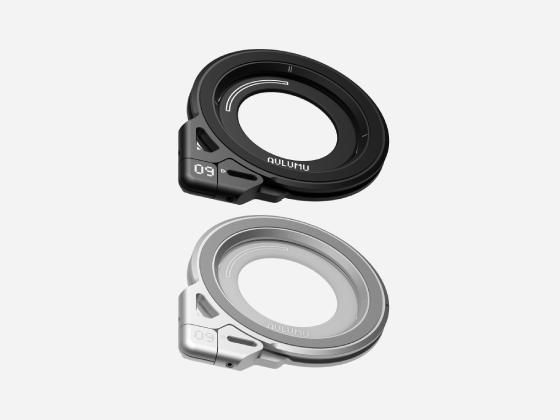
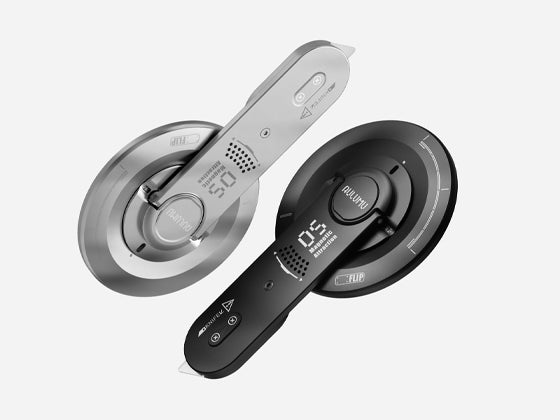
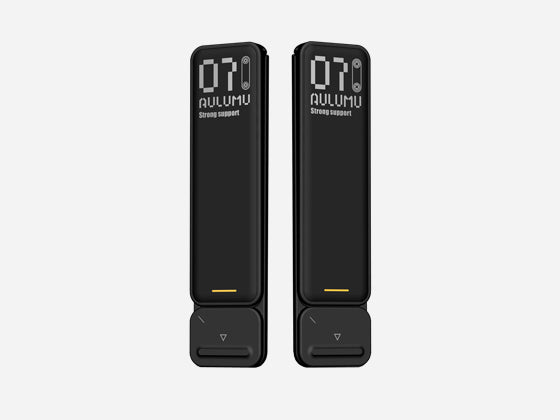
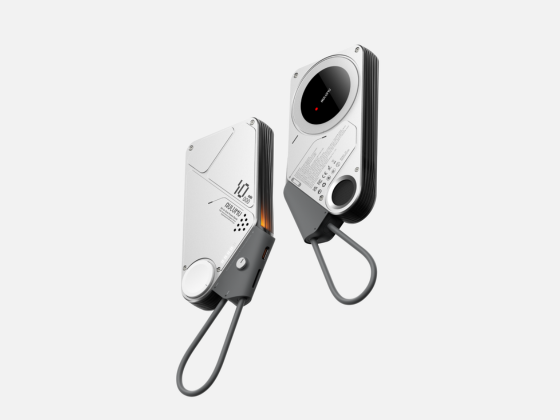
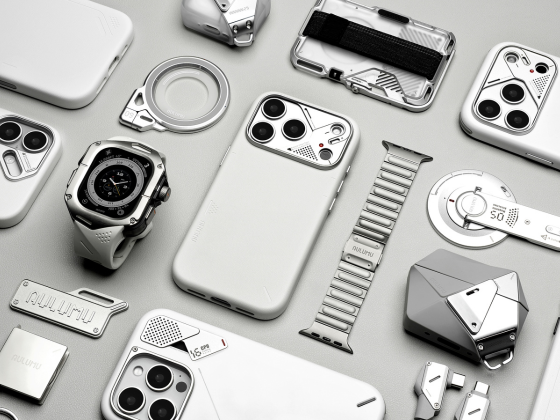
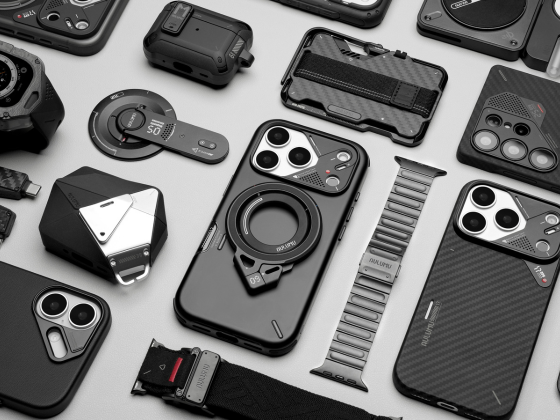
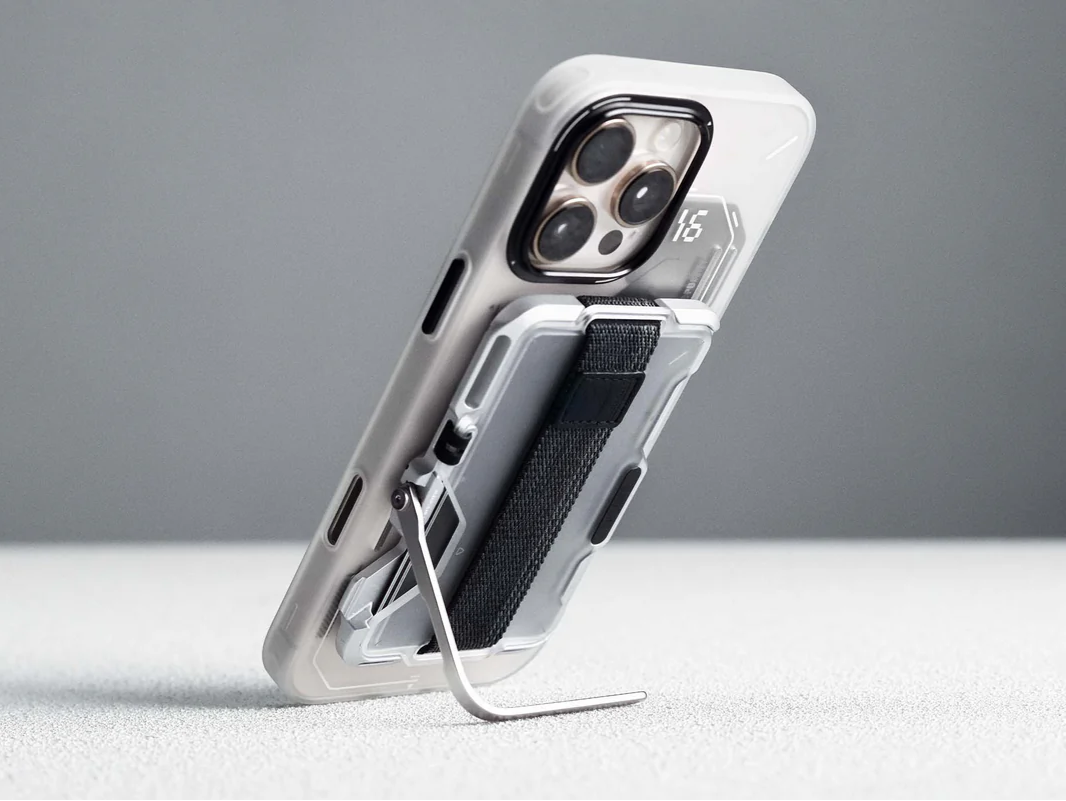
Aulumu protective phone cases utilize advanced materials such as ultra-thin aramid fiber , TPU, and vegan leather to provide a comfortable grip without adding unnecessary thickness, making them an ideal everyday solution. Additionally, the phone case features built-in CoolHyper Superconductive Heat Dissipation Technology, which actively dissipates heat from the device. It is also equipped with a specialized temperature-sensing point that allows it to instantly detect the phone's temperature status.These cases maintain an ultra-thin profile while ensuring perfect compatibility with magnetic accessories and wireless charging .
Continuously and effectively controlling device temperature is the best way to extend the lifespan of your expensive smartphone. By fully understanding common environmental and internal triggers, you can proactively prevent most dangerous thermal problems. Avoid leaving your phone in high-temperature environments for extended periods, and also reduce prolonged CPU operation. If you notice your phone overheating, take immediate action to address it; do not continue using your phone while it is still hot.
 Conclusion
Employing a safe, gradual cooling method ensures that your delicate motherboard will not be accidentally damaged by internal condensation. Combining intelligent software management practices (such as monitoring background application usage and keeping the operating system updated) with the use of lightweight, high-performance components is one of the most effective long-term preventative strategies. Proactive daily equipment maintenance will ensure you enjoy extremely reliable, responsive, and smooth performance for years to come.