


With each new iPhone release, besides performance upgrades and feature changes, the size, thickness, weight, and camera design are among the most discussed topics for consumers. For smartphones, size represents more than just aesthetic changes; it directly impacts grip comfort , one-handed operation , weight , case compatibility , and photography experience . Based on current information, the iPhone 18 series is not expected to see significant size adjustments, but the iPhone 18 Pro and iPhone 18 Pro Max may see some design changes due to upgraded imaging systems. So, how big will the iPhone 18 actually be? Will it be thicker and heavier than the iPhone 17? What impact will the new camera design have? This article will analyze these questions in detail.
 iPhone 18 Size Expected: Screen Size Likely to Remain Unchanged
Currently, Apple does not appear to have plans to further increase screen size with the iPhone 18 series. Over the past few years, Apple has established a relatively stable product size strategy : the standard iPhone is approximately 6.1–6.3 inches ; the Pro series is approximately 6.3 inches ; and the Pro Max series is approximately 6.9 inches . It is expected that the iPhone 18 series will likely continue this design.
|
Model |
Expected screen size |
Size change trend |
|
iPhone 18 |
Approximately 6.3 inches |
Basically stable |
|
iPhone 18 Pro |
Approximately 6.3 inches |
Minor adjustments |
|
iPhone 18 Pro Max |
Approximately 6.9 inches |
Continuing the large screen design |
Compared to its past pursuit of ever larger screens, Apple has focused more on screen utilization , bezel reduction , and internal space optimization in recent years . Therefore, the focus of the iPhone 18 is not on "getting bigger," but on providing more powerful hardware within the same size.
Why doesn't Apple continue to increase the size of the iPhone?
In theory, larger phones offer more advantages , such as more battery space , better heat dissipation, and more space for camera sensors . However, excessively large phone sizes also present some limitations.
User grip experience : Currently, 6.9 -inch phones are already close to the limit of one-handed operation for many users. If the size continues to increase , it's likely that one-handed typing will become difficult, and excessively large phones may cause wrist fatigue during prolonged use, and putting them in a pocket will also become inconvenient. Therefore, Apple prefers to optimize the internal structure rather than simply increasing the body size.
Weight control : While the iPhone 12-13 series saw a continuous increase in weight, starting with the iPhone 15 series, Apple consciously controlled the phone's weight by changing materials to reduce it. Therefore, although the body became larger, the weight didn't increase significantly. Thus, weight control was also a crucial aspect of the iPhone 18.
iPhone 18 thickness: Possibly increased due to camera upgrades
If we're talking about the biggest design change in the iPhone 18, the answer is likely the camera area. Multiple leaks suggest the iPhone 18 Pro series may feature a more advanced photography system, and the larger lens assembly could lead to a further increase in camera protrusion. The overall thickness of the phone is expected to increase slightly, and the camera area will protrude a bit more. However, overall, the changes are likely to be very subtle, and ordinary users may not even notice a significant difference. Improvements to the camera system also need to align with the trend of increasingly thinner phones.
Might the iPhone 18 be thicker?
The development of smartphone photography is essentially about solving a problem : how to give small-sized phones shooting capabilities close to those of professional cameras. Improving camera performance typically requires larger image sensors , more complex lens structures , and larger optical components , all of which require additional space.
 iPhone 18 Camera Upgrade
The most prevalent prediction for the iPhone 18 camera upgrade is a variable aperture. Currently, most lenses used in iPhones employ a fixed aperture design. A fixed aperture means the amount of light entering the lens cannot be actively changed; it can only accept a fixed amount of light. The iPhone 18 Pro series may introduce a variable aperture for the first time, representing a significant upgrade to the iPhone's photography system.
What is a variable aperture?
Variable aperture
Similar to the lens structure in professional cameras, it adjusts the amount of light entering the camera based on the environment. For example, when shooting during the day, it narrows the aperture to control exposure, increase detail, and enhance depth of field; while when shooting at night, it widens the aperture to increase light intake, improve low-light performance, and reduce noise. Compared to a fixed aperture, a variable aperture allows mobile phone photography to more closely resemble that of a professional camera.
The iPhone 18's main camera may be upgraded
The iPhone 18 Pro series is expected to retain the high-spec 48MP main camera. However, the upgrade may not focus solely on pixel count , but rather on increasing sensor size . A larger sensor means more light intake, resulting in brighter photos, especially in low-light conditions; a more natural depth-of-field effect; better background blur in portrait mode; and a higher dynamic range, allowing photos to retain more highlight detail and shadow information in bright lighting conditions, such as sunsets or backlighting.
iPhone 18 Weight Prediction
With hardware upgrades, the iPhone 18 Pro series is expected to be heavier. However, as mentioned earlier, Apple will also try to control the weight, so while the weight may increase, the increase in grams is likely to be relatively small. Factors that may affect the weight include a larger battery, a more complex camera system, and the design of the internal heat dissipation structure. These three upgrades could all increase the weight of the iPhone 18 series, but the specific figures will only be known after Apple's official launch.
Will the size change of the iPhone 18 affect the compatibility of phone cases?
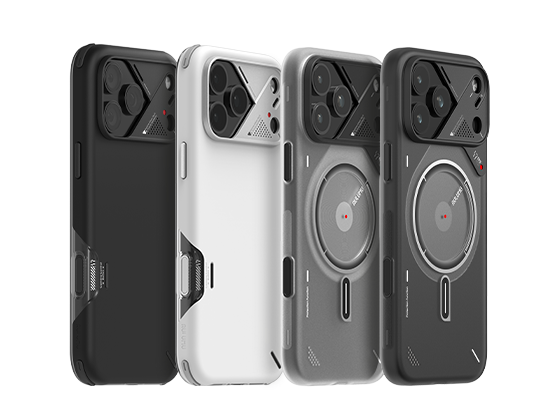
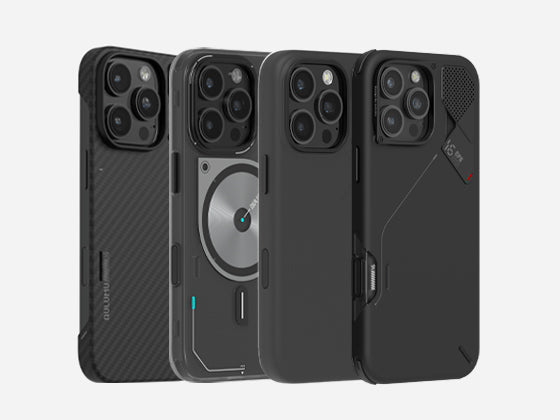
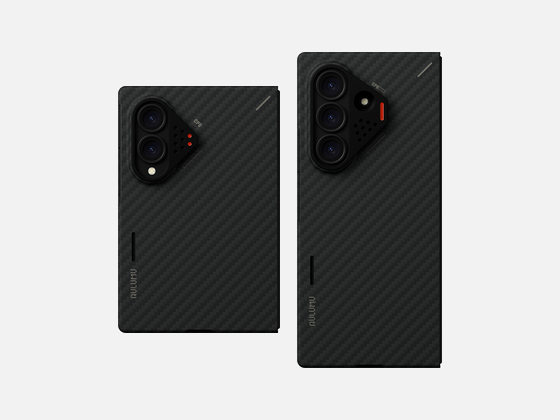
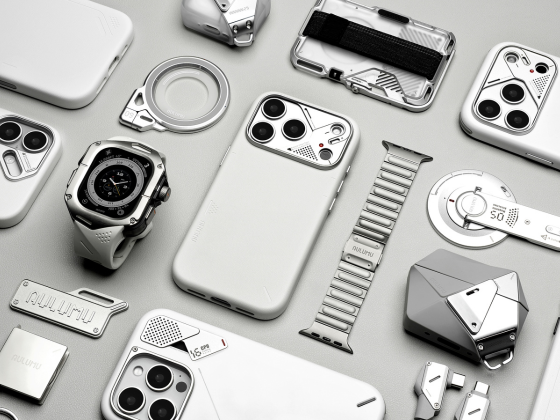
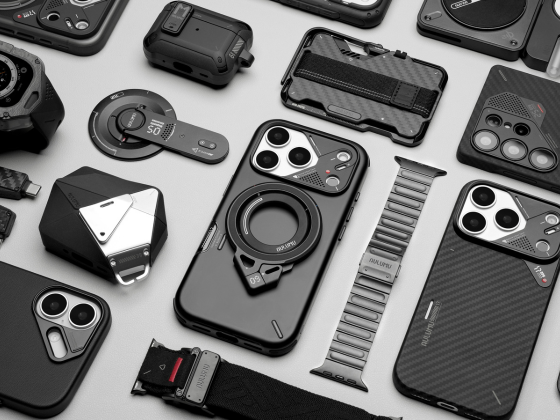
This is one of the most pressing concerns for many users when buying a new iPhone. Many believe, "If the screen size is the same, my old phone case should still work." However, this isn't actually the case. Phone case compatibility depends on the phone's length, width, thickness, camera cutout, and button placement. These factors significantly impact overall case compatibility. If the iPhone 18's camera is upgraded, the lens position may change, and even a slight change can affect case compatibility. Therefore, even if the iPhone 18 and iPhone 17 are similar in size, it doesn't mean their cases are interchangeable.
Is the iPhone 18 worth upgrading to?
For users still using older devices, the iPhone 18 upgrade will bring significant changes, such as an updated camera system, an upgraded chip, enhanced AI computing capabilities, and improved battery life. If you are currently using an older device and enjoy taking photos with your phone, the iPhone 18 will be a device with a noticeable upgrade experience for you.
For users with newer devices or those who don't have high demands for camera performance, the iPhone 18 may not offer much of an upgrade experience, and keeping their existing devices might be a good choice.
 Conclusion
The core change in the iPhone 18's size isn't about getting bigger, but about getting more powerful . Based on current information, the iPhone 18 series is not expected to see significant size adjustments. The biggest changes will likely be concentrated in the camera area, with improvements to the camera system resulting in a slight increase in thickness or weight. Apple is moving in a new direction , not towards making phones bigger, but towards incorporating more professional-grade hardware into the same size. For ordinary users, the iPhone 18 may just be a gradual upgrade; but for photography enthusiasts and users seeking the latest technology, the iPhone 18 Pro series could become one of the iPhones with the most significant imaging upgrades in recent years.