














We often hear the word "fiber." So what exactly is fiber? Fiber is a long, thin material whose length is much greater than its diameter, like a very fine thread or filament. There are many types of fibers, both natural and man-made. The main function of fiber is to enhance the strength, flexibility, and durability of materials.
Among fibers, there is a type called high-performance fiber. High-performance fibers are synthetic fibers with exceptionally high properties, primarily used in aerospace, automotive, and safety protection fields. Two widely used examples are carbon fiber and aramid fiber. We will introduce the characteristics and differences of these two fibers in detail, as well as their everyday applications.
What is carbon fiber?
Definition: Carbon fiber is an ultra-strong, ultra-lightweight fiber material composed of carbon atoms. This material is neither metal nor ordinary plastic, but a key component of high-performance composite materials. You can imagine it as a feather thread stronger than pen steel—both light and strong.
Basic structure: Carbon fiber is a thin filament formed by carbon atoms arranged in a tightly packed crystalline structure. Its diameter is extremely fine, typically between 5-10 micrometers, thinner than a human hair. Besides appearing as a single strand, carbon fiber can also be woven or layered into sheets to enhance the strength and rigidity of materials.
Characteristics: From its structure, we can see that carbon fiber has the characteristics of high strength, high rigidity, lightweight, corrosion resistance, electrical conductivity, and brittleness.
Application scenarios: Considering the properties, definition, and structure of carbon fiber, its main application scenarios are those that require both lightweight and high rigidity.
- Aerospace: Aircraft structure and rocket construction;
- Automotive industry: Racing cars also involve the construction of lightweight chassis;
- Sports equipment: bicycles, tennis rackets, and golf clubs;
- Wind power industry: Wind turbine blades on generators;
- Construction Engineering: Reinforced Composite Materials
What is aramid fiber?
Definition: Aramid fiber is a high-performance synthetic fiber. It is not a natural fiber but an artificial material made through chemical polymerization. Like Spider-Man's web, aramid fiber is tensile, impact-resistant, and heat-resistant, making it ideal for protective gear or high-strength ropes.
Basic structure: Aramid fibers are also very thin and long, with a diameter typically between 10-12 micrometers, as fine as a human hair. They are composed of polymers with tightly packed molecular chains and strong directionality, and are mostly yellow or golden in color.
Characteristics: Aramid fibers are characterized by high strength, high toughness, high temperature resistance, lightweight, chemical corrosion resistance, and low brittleness.
Application scenarios: Due to the characteristics and structure of aramid fibers, we can find them in industries that require tensile strength, impact resistance, and high-temperature resistance. In these scenarios, aramid fibers can demonstrate their greatest advantages.
- Protective equipment: bulletproof vest, cut-resistant gloves, helmet;
- Industrial materials: high-strength ropes, conveyor belts;
- Aerospace: Composite material reinforcement;
- Sports equipment: sails, climbing ropes, tennis rackets
 Core differences
We can use a table to distinguish between these two materials.
|
Characteristic |
Carbon fiber |
Aramid fiber |
|
Strength |
High |
High |
|
Rigidity |
Very high |
Medium |
|
Toughness |
Lower (more brittle) |
Very high (impact resistance) |
|
Weight |
Very light |
Very light |
|
Heat resistance |
High |
Very high |
|
Electrical conductivity |
Conductive |
Non-conductive |
From the table above, we can clearly see the differences between carbon fiber and aramid fiber. Carbon fiber has lower toughness and poorer impact resistance, and it is conductive. Aramid fiber, on the other hand, is tougher and more resistant to tensile stress, but it is not conductive.
We can also understand that both materials have their own advantages and disadvantages.
Carbon fiber: The advantages of carbon fiber are its extremely light weight, high strength, high rigidity, good dimensional stability, and corrosion resistance. However, its disadvantages include its brittleness, poor impact resistance, and electrical conductivity, which sometimes necessitates insulation. Furthermore, it requires sophisticated manufacturing processes, indirectly leading to higher production costs.
Aramid fiber: The advantages of aramid fiber are high toughness, strong impact resistance, and light weight, which will not excessively increase the weight of the item. It is also resistant to high temperatures and corrosion, non-conductive, and has good electrical insulation. Its disadvantages are relatively low stability, deformation after compression, and potential degradation upon long-term exposure to ultraviolet light. This is why a coating is needed when using this type of material, and its manufacturing cost is also relatively high.
Everyday use of carbon fiber and aramid fiber
We previously mentioned the main application scenarios for carbon fiber and aramid fiber. Apart from sports, other scenarios are mainly engineering applications. However, carbon fiber and aramid fiber are now gradually being integrated into accessories in our daily lives.
Suitcases: Some suitcases now use carbon fiber as a material for better protection. Carbon fiber suitcases are lighter in weight, so they won't add to your luggage. At the same time, they are more rigid, which can reduce the possibility of damage during transportation.
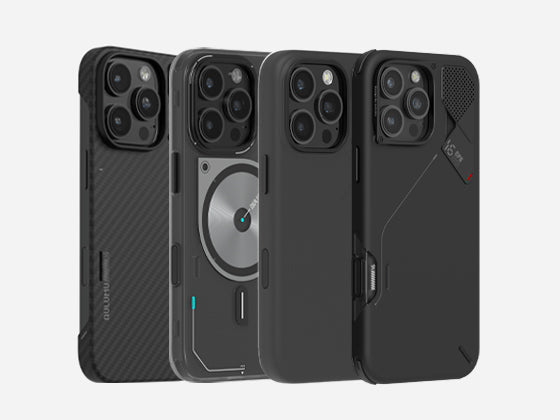
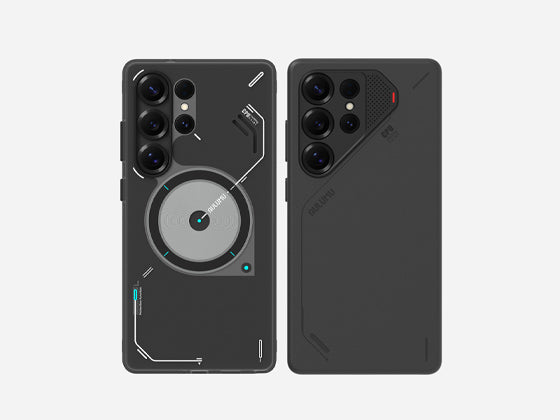
Phone Cases: As the external protection for mobile phones, the impact resistance of phone cases is crucial, and this is where aramid fibers excel. Aramid fibers are strong and lightweight, allowing phone cases to maintain a low overall weight without adding to the phone's overall weight. Furthermore, their non-conductive nature reduces the risk of accidental short circuits, ensuring safety for the phone's internal electronic components. Their high-temperature resistance also allows aramid fiber phone cases to remain stable during charging or high-temperature environments, preventing deformation due to heat.
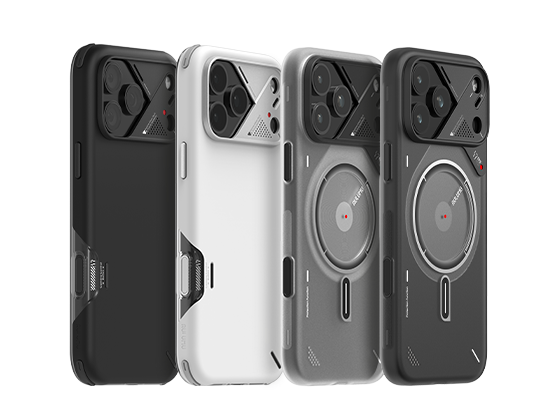
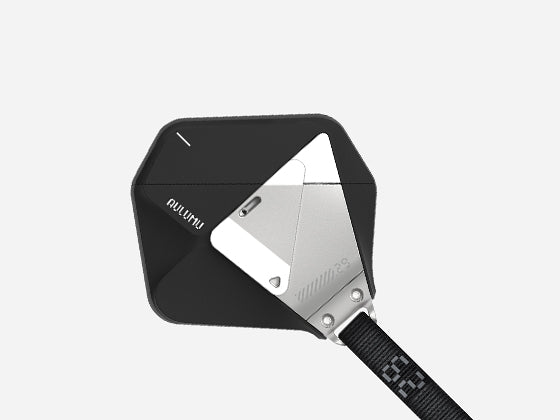
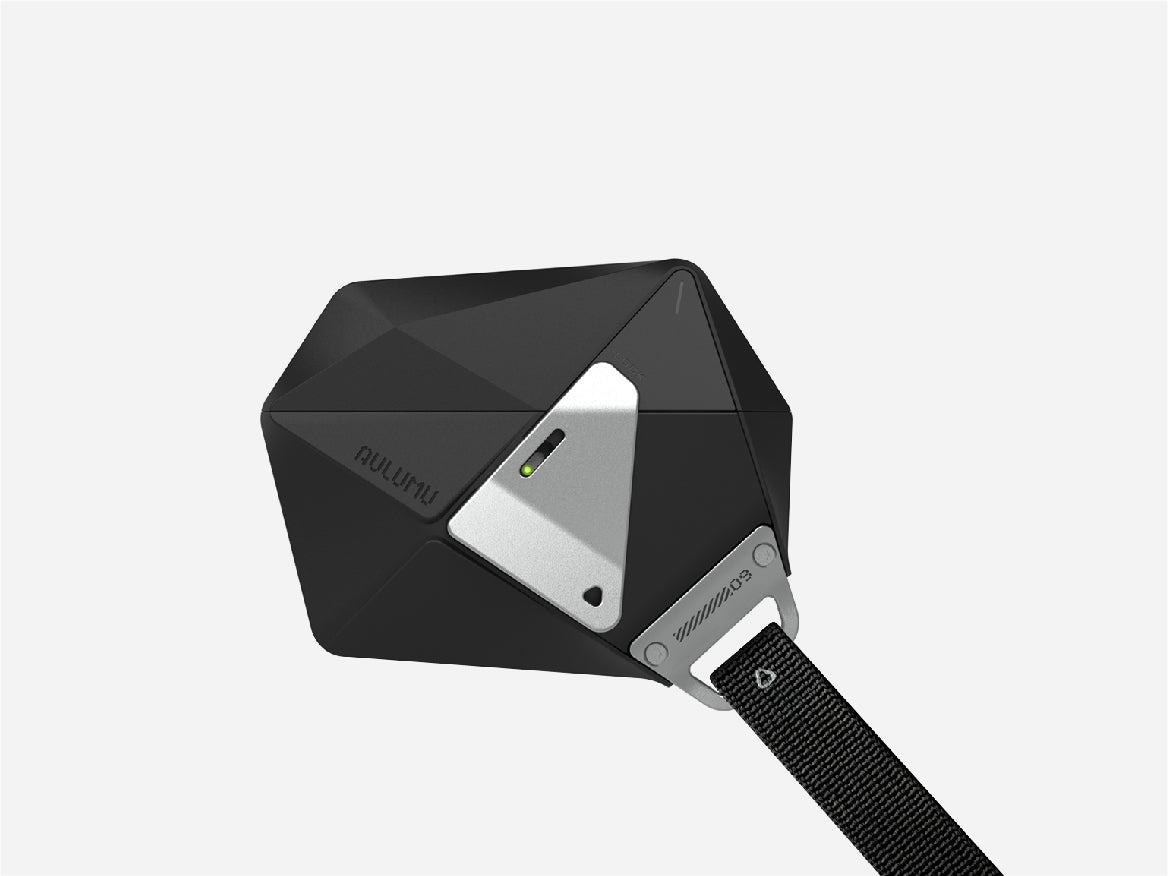
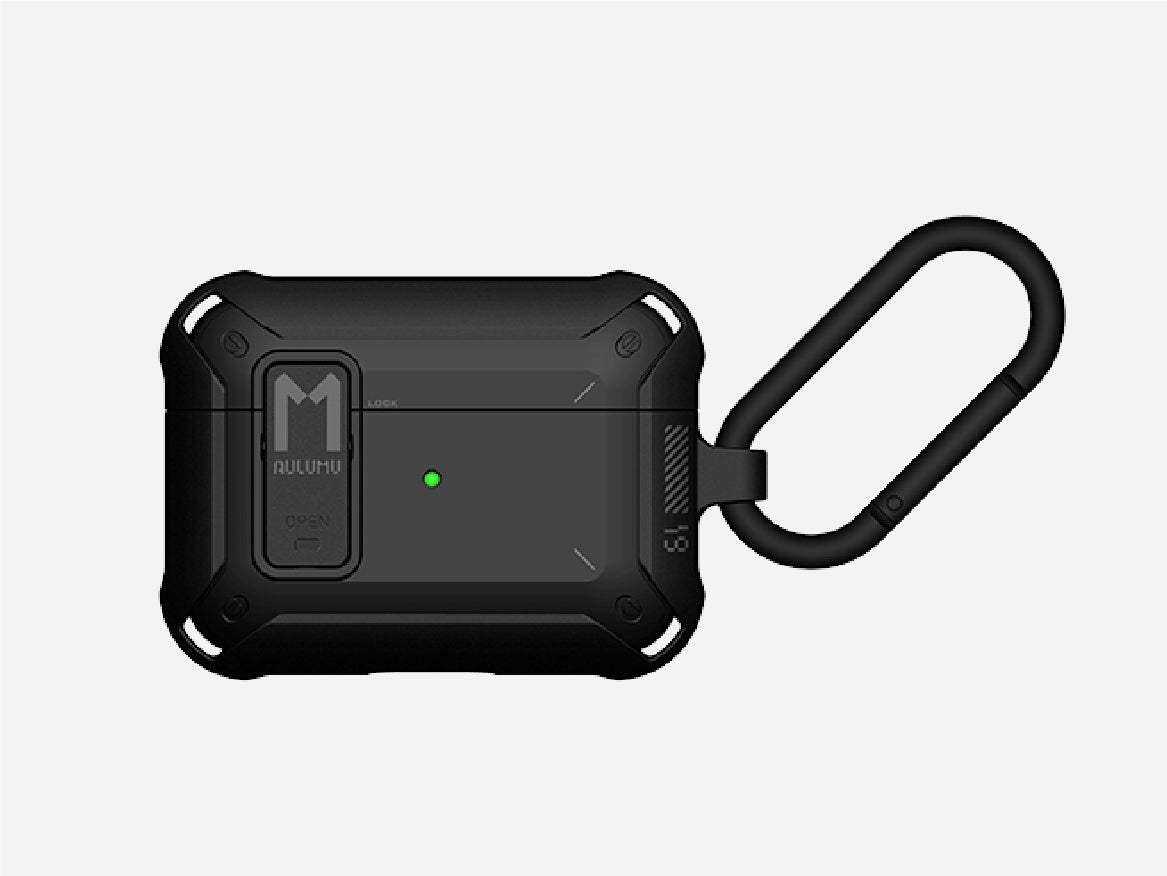
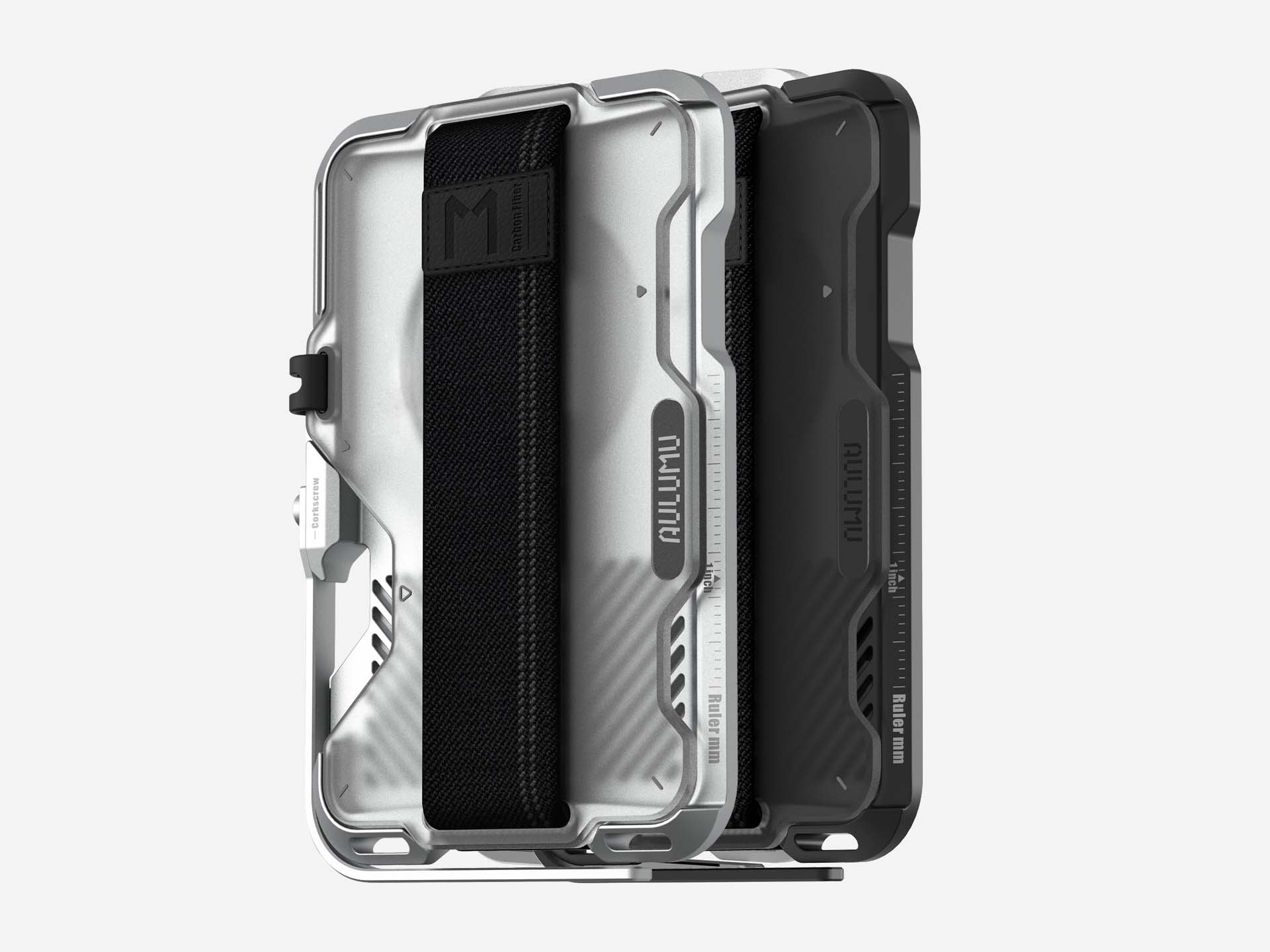
For example, aulumu's aramid fiber phone cases are all made of this material and are extremely light and thin, providing a feel similar to wearing the phone without a case. Even with built-in magnets for MagSafe compatibility, the case doesn't increase in thickness. In addition to being heat-resistant, they also feature alumu's proprietary heat dissipation system, which efficiently reduces the phone's temperature.
High-end watch straps: Some high-end watch straps and cases are designed using carbon fiber as the material. Carbon fiber cases are relatively lightweight, so they won't increase pressure or strain on the wrist when worn. At the same time, carbon fiber, as a case material, also provides high rigidity to protect the watch, so there's no need to worry about it being damaged.
For example, the aulumu A01 carbon fiber watch case and strap features a case made entirely of carbon fiber, which is durable yet maintains a feather-light weight, adding no burden to the wrist. The thermo-pressed carbon fiber ensures that each case is unique and maintains its stability, giving your watch a sense of security.
 Conclusion
While both carbon fiber and aramid fiber are high-performance fibers, they have distinct differences. One is conductive while the other is non-conductive; one is tough while the other is brittle. Despite these differences, the two materials also share some commonalities. Understanding the characteristics of these two materials will allow you to choose the fiber products that best suit your needs.

